Quick grant check for your home
Share your area and contact details. We will reply with the next steps for a Dublin survey and a quote that includes grant guidance. We only use your details to respond, unless you opt in to updates.

We prioritise Dublin and the Greater Dublin Area, including Clontarf and the Northside. For Leinster locations such as Wicklow, Meath, Kildare, and Louth, we arrange surveys and installation schedules based on travel and project size.
Solar panels Dublin guideHow the SEAI Solar Electricity Grant is calculated in 2026
The SEAI Solar Electricity Grant supports the cost of installing solar PV on eligible homes in Ireland. The support is calculated using the system’s installed capacity in kilowatt peak (kWp), which is a standard measure of panel output under test conditions. Your installer designs a system size that fits your roof and your electricity usage, then the grant tier is applied based on that kWp figure.
In 2026, the grant remains unchanged at a maximum of €1,800. The structure is simple: you receive €700 per kWp for the first 2 kWp, and then €200 per additional kWp up to 4 kWp. Once you reach 4 kWp, the grant tops out at €1,800. This means many households aiming for a practical 4 kWp style system can reach the maximum grant without needing an oversized array.
A useful planning tip is to separate the grant maths from the system design. The best system is not always the biggest system. If you work from Dublin and your home is empty during the day, you may benefit from balancing panel size with an optional battery. If you have higher day time usage, you may get strong value from PV alone. We explain these choices during the survey so you can decide based on your own usage patterns rather than generic online averages.
Grant tiers (2026)
The table below shows the current structure for the SEAI solar PV grant. These are the core tiers that determine the maximum support you can receive for solar panels in Ireland in 2026.
| Installed PV size (kWp) | Grant calculation | Grant amount | Practical note |
|---|---|---|---|
| Up to 2 kWp | €700 per kWp | Up to €1,400 | Smaller systems can suit compact roofs or low usage homes. |
| 2 to 4 kWp | €1,400 + €200 per extra kWp | Up to €1,800 | Many Dublin homes target 3 to 5 kW PV based on roof space. |
| 4 kWp and above | Capped | €1,800 (max) | Above 4 kWp does not increase grant, so sizing should follow usage. |
What we check during a grant-focused survey
A grant application is smoother when the technical design and the paperwork align. During a site visit, we focus on details that influence system size, safety, and documentation, especially for Dublin 3 homes where rooflines and access can vary.
- Roof layout and shading: chimney shade, nearby trees, and mixed roof planes in Clontarf and North Dublin estates.
- Electrical set-up: meter location, consumer unit access, and a safe inverter and isolator layout.
- Usage profile: day time demand, evening peaks, and whether a battery could increase self consumption.
- System sizing: what reaches the €1,800 cap and what genuinely improves savings for your home.
After the grant, many 3 to 6 kW domestic systems in 2026 fall in the €6,000 to €12,000 range, often €7,000 to €10,000 for a typical home. Costs vary by roof complexity, inverter choice, and whether battery storage is included.
By submitting this form, you agree to our Privacy Policy.
Battery storage and the grant
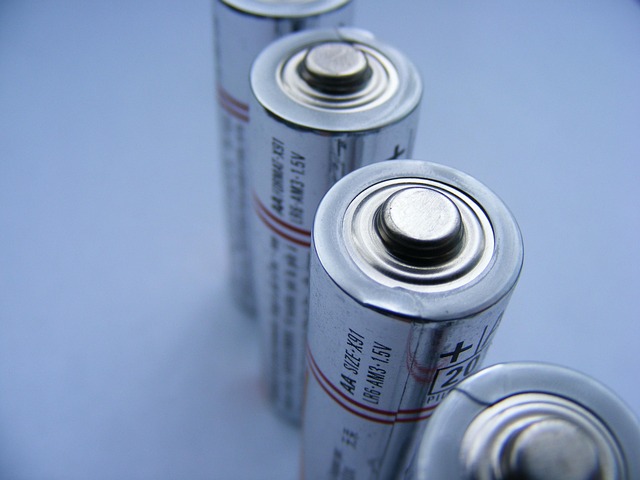
The PV grant is based on kWp of solar panels, not on battery capacity. Batteries can still be an excellent option when your home uses more power in the evenings. We will explain whether to prioritise PV, a battery, or a balanced approach.
Battery storage guideEligibility: who can apply for the SEAI solar grant?
The grant is intended for existing homes rather than brand new builds. In practical terms, most homeowners who qualify have a property that was built and occupied before 2021. When you contact us, we will ask a few straightforward questions to confirm the basics: the property type, whether you are the owner, and whether the roof and electrical set up can support solar PV safely. If any part is uncertain, we will address it during the survey rather than guessing.
Eligibility also ties into the installer requirement. The process is designed around an SEAI registered installer completing and certifying the work. That protects homeowners by ensuring the installation is carried out to recognised standards, and it helps avoid common documentation problems when finalising the grant claim.
For Dublin homes, roof suitability is often better than many people expect. While south facing roofs are a strong option, east west layouts can also deliver good results, particularly when you want generation across the morning and afternoon rather than a single peak. We discuss roof orientation, shading, and safe access, and we explain what can realistically fit on your roof without compromising appearance or maintenance.
What to prepare before you start
Having the right information ready can make the process smoother. You do not need to gather everything before you speak with us, but these are the items that commonly come up during grant planning and installation design.
- Your Eircode and a preferred time for a survey
- Recent electricity bills to understand typical kWh usage
- Photos of the consumer unit and meter location if available
- Any roof plans or extensions that affect available space
By submitting this form, you agree to our Privacy Policy.
What “up to €1,800” means in practice
“Up to” does not mean every system automatically receives €1,800. The grant is calculated from system size in kWp. If a design is below 4 kWp, the grant amount is lower. A good installer sizes the system to your roof and usage rather than chasing the maximum.
In Dublin 3 and nearby areas, many homes can fit a system that reaches the cap. Still, we prefer to validate the roof first. Roof obstructions, shading, and safe access all matter. If the roof is better suited to a smaller array, we will show the expected savings and payback for that option instead of overselling.
- Size PV to match annual usage and available roof space.
- Consider battery storage if evening usage is high.
- Use realistic cost ranges and a payback window you are comfortable with.

Local roof factors we see in Dublin
Coastal light levels around the Northside can still support excellent solar PV outcomes. What matters most is avoiding persistent shade and designing the layout to use your available roof planes effectively. We routinely work with semi-detached roofs, dormers, and mixed tile types across the Dublin area.
PV installation detailsApplication steps: what to expect from start to finish
Homeowners often worry that grant applications will be paperwork heavy or unclear. In reality, the smoothest path is to start with a proper survey and a written quote. Once the technical plan is agreed, the grant steps are easier to follow because the system size, property details, and timelines are all clear. We have been installing solar PV for over eight years, and we use a straightforward checklist to keep projects on track.
The exact administrative steps can vary, but most projects follow the same practical sequence: confirm eligibility, complete a site survey, agree the design, schedule the installation, commission and test the system, and then finalise the grant claim with the required documents. If you are in Dublin and want a fast start, we can usually book the survey quickly and aim to provide a quote in 48 hours after the visit, depending on access and complexity.
Step by step checklist
We confirm your area (Dublin, Leinster, or nationwide), property type, and whether the home is built and occupied before 2021. We also note any roof constraints you already know about.
We measure roof planes, check shading, and confirm safe equipment locations for the inverter, isolators, and optional battery. This is where we prevent most future delays.
You receive a clear scope of works: panel count, kWp, inverter choice, monitoring, and any optional extras. We explain how the system size affects the grant, including the €1,800 cap at 4 kWp+.
Most home installs take one to two days on site. We test, commission, and set up monitoring. You receive a handover that explains expected seasonal variation in output.
We guide you through the final documents and checks needed to complete the claim. Our focus is on clarity and accuracy, not rushing.
By submitting this form, you agree to our Privacy Policy.
Common reasons grant timelines slip
Most delays are avoidable. When homeowners compare solar installers in Dublin, it helps to ask how the company manages survey detail, documentation, and commissioning. These are the issues we proactively check.
- Unclear system size or changes after the quote is accepted.
- Roof layout surprises on install day due to a rushed survey.
- Missing photos, incorrect address details, or incomplete homeowner information.
- Commissioning not fully explained, leaving monitoring or settings incomplete.
We keep documentation in step with the design. You see the assumptions, the scope, and the commissioning plan before installation day. This reduces surprises and helps you complete your grant claim confidently.
By submitting this form, you agree to our Privacy Policy.
Planning solar around your routine
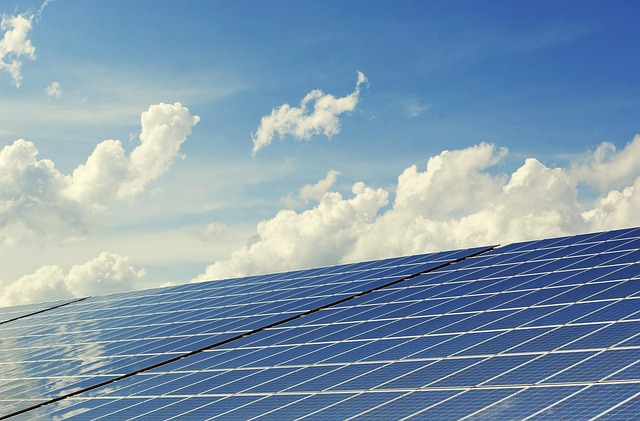
The grant is one part of the equation. The other part is how much of the generated electricity you use directly. We design systems that align with your household routine so the savings are achievable, not theoretical.
Battery optionsSEAI solar grant FAQs
These answers are designed to be quick and clear. If you have a specific property question in Dublin, Clontarf, or elsewhere in Leinster, contact us and we will give a straightforward response based on a survey.
Is the SEAI solar PV grant still €1,800 in 2026?
Yes. In 2026, the SEAI Solar Electricity Grant remains up to a maximum of €1,800. The amount is calculated by system size (kWp) and is capped once you reach 4 kWp.
How is the €1,800 grant calculated?
The structure is €700 per kWp up to 2 kWp, plus €200 per additional kWp up to 4 kWp. At 4 kWp and above, the grant reaches the maximum of €1,800.
Do I qualify if my home was built after 2021?
The grant is intended for existing homes and eligibility commonly requires the home to be built and occupied before 2021. If you are unsure, contact us with your Eircode and we will advise based on the current criteria and your situation.
Do batteries increase the grant amount?
The PV grant is calculated from the installed solar PV capacity (kWp). Battery capacity does not increase the PV grant. Batteries can still improve savings by shifting surplus solar to evening use.
How soon can I get a quote in Dublin?
After a survey, we aim to provide a written quote quickly, often within 48 hours depending on complexity and access. The quote outlines the system size, expected range of output, and grant guidance steps.
What areas do you serve for grant-supported solar installs?
We are based in Dublin 3 and prioritise Dublin and the Greater Dublin Area. We also cover Wicklow, Meath, Kildare, and Louth, with projects across Leinster and nationwide where suitable.
Will the SEAI grant change later in 2026?
Grant schemes can change over time. We cannot predict future decisions, but we can help you plan and apply based on the current 2026 structure. If solar is a priority this year, an early survey helps you avoid last minute scheduling pressure.
What information do you need for a grant-focused survey?
Your Eircode, access details, and a general idea of your electricity use are enough to begin. If you can share recent bills and photos of the meter and consumer unit, it can speed up design and quoting.