Skip to content
Case studies from Dublin and Leinster • Practical design notes

Our work: real solar PV installations across Dublin

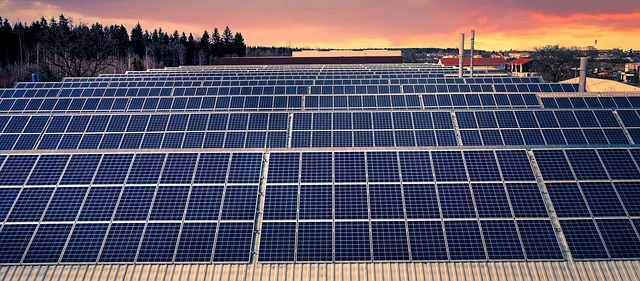
Solar panels are a long term home upgrade, so it helps to see how systems are actually laid out on Irish roofs. This page shares a selection of SunHarvest projects from Dublin 3, the Northside, and nearby Leinster counties. We focus on what matters for planning: roof constraints, system size choices, where inverters and batteries are placed, and how we keep cable routes tidy. Photos are representative and shared with customer permission.

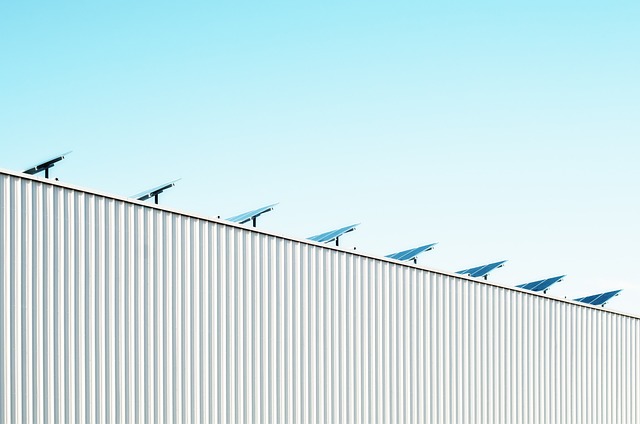
before and after solar panels on Dublin roof with clean alignment
What you will see here
  • How we size PV for Dublin homes
  • When a battery helps and when it does not
  • Common roof challenges and our solutions
  • What we include in handover and monitoring
Costs and savings in 2026

By submitting any form, you agree to our Privacy Policy.

How to read these case studies

Every roof is different, even within the same part of Dublin. A well designed system starts with roof geometry, shading and safe access, then matches PV size to the household’s day time usage. We share case studies because they show the practical side of solar panel installation in Ireland: where the array sits on the roof, how we route cables, and where we locate electrical equipment so that it stays serviceable and tidy.

You will notice we talk about choices rather than promises. For example, a battery can increase self consumption, but it only delivers strong value when the household has surplus solar during the day and meaningful usage later in the evening. In other homes, adding PV first is the better priority. The goal is not the largest system, it is the right system for your meter, your budget and your roof.

If you want to understand pricing, we keep our costs page updated with realistic 2026 ranges. Many Dublin homeowners see 3 to 6 kW systems priced around €6,000 to €12,000 after the SEAI grant, often €7,000 to €10,000 for a typical home depending on roof complexity and equipment. For grant eligibility and how the €1,800 maximum is calculated, see the SEAI grant page.
What we document at handover

System layout and components

Array position, inverter model, isolator locations, and any battery details in a clear summary.

Monitoring setup

We connect the system to monitoring and show you how to read generation and usage.

Safety and shutdown steps

Simple instructions for isolators and what to do if you have an electrical query.

Grant guidance

We explain the paperwork steps and timings so you can plan without stress.

By submitting any form, you agree to our Privacy Policy.

Featured Dublin and Leinster installations

These examples reflect common roof types we see around Dublin, including semi detached homes, terraced houses with tighter roof planes, and properties with shaded sections. The aim is to show design decisions and workmanship, not to imply identical performance for every home. Your results depend on orientation, shading, usage, and system size. If you are in Dublin 3 or nearby, we can assess suitability quickly with a survey.

Request a survey
solar panels installed on semi detached home roof in Clontarf Dublin 3
Clontarf, Dublin 3
Domestic PV

A typical Northside semi detached roof with two usable planes. We designed a compact array that avoids a shaded corner near the chimney and keeps panel rows aligned for a clean finish. Cable routes were kept internal where practical to reduce visible trunking.

System focus
Self consumption
Design note
Shading avoided
solar PV array on terraced house roof in North Dublin with neat panel alignment
North Dublin
Roof layout

Terraced houses often have tighter roof geometry and less freedom for setbacks. In this example, we prioritised a tidy rectangular footprint to reduce edge clutter and maintain access. The final layout balances generation with roof safety zones and cable entry points.

System focus
Clean footprint
Design note
Access preserved
solar inverter and battery storage installed in Dublin garage with safe clearances
Greater Dublin Area
Battery option

This project included a battery to shift surplus solar into evening use. We chose a location with good access and airflow, mounted equipment at a practical height, and labelled isolators clearly. We also spent time on the monitoring app so the homeowner can track import, export and battery charge.

System focus
Evening usage
Design note
Clear labelling
solar panels installed on east west roof in Dublin with split array layout
Dublin
Split array

Not every property has a perfect south facing plane. In this design, we used an east west split to spread generation across the day, matching day time demand and reducing reliance on a single peak. The homeowner preferred smoother daily output rather than maximising midday peak.

System focus
Balanced output
Design note
Two roof planes
solar PV install with neat conduit and isolators in Irish home meter area
Leinster
Electrical tidy up

Customers often judge quality by the roof, but the electrical finish matters just as much. Here we focused on a clean, serviceable meter area with labelled isolators and sensible cable management. A tidy install makes future maintenance easier and reduces confusion for homeowners.

System focus
Serviceability
Design note
Clear isolators
solar panels installed on modern estate home in Dublin with uniform row spacing
Dublin area estates
Family homes

Newer estates often provide straightforward roof surfaces, which can make installation smoother, but each home still needs a usage led design. In this example, we sized PV with room for a future battery upgrade, and we confirmed inverter placement with the homeowner for easy access.

System focus
Future-ready
Design note
Upgrade path

Want a case study that looks like your roof?

If you are based near Clontarf, Dublin 3, or elsewhere in the Greater Dublin Area, we can often share a comparable example during the quoting process. We keep customer privacy in mind and only share information that is appropriate. The most useful next step is a quick survey where we measure roof planes, note any shading, and discuss how your household uses electricity across the day.

We also explain how the SEAI Solar Electricity Grant works in 2026, including how the maximum of €1,800 is reached at 4 kWp. Your quote will be written clearly, with component details and a practical timeline, so you can compare like for like with other installers.

By submitting this form, you agree to our Privacy Policy.

Quick checklist for your survey
  • Your latest electricity bill (for usage context)
  • Any known shading from trees, chimneys, or nearby buildings
  • Where you would prefer equipment to be placed (garage, utility, attic access)
  • Whether you may add an EV charger or heat pump in future
Estimate costs

Our work FAQs

These questions come up when homeowners compare installers and try to interpret project photos. If you have a specific roof question, use the contact page and we will respond with practical next steps.

Do your case studies include Dublin 3 and Clontarf projects?

Yes. We are based on Alfie Byrne Road in Dublin 3 and regularly install across Clontarf and the wider Northside. We share representative examples here and can discuss similar roofs during a survey.

Can I expect the same savings as a case study?

Savings vary by usage pattern, export arrangements, roof orientation and shading. We use case studies to explain design choices, not to promise identical outcomes. Your quote will include assumptions so you can make a fair comparison.

What is the best system size for a typical Dublin home?

Many homes land between 3 and 6 kW, but the right size depends on roof space and how much electricity you use during the day. A survey helps us recommend a system that fits both your roof and your meter.

Do you install batteries with every system?

No. A battery is optional and makes the most sense when there is consistent surplus solar to store and meaningful evening usage. We discuss battery sizing and value transparently rather than pushing one default bundle.

Will you help with the SEAI solar grant paperwork?

We guide you through the steps and explain what information is needed. The SEAI Solar Electricity Grant remains up to €1,800 in 2026, calculated by kWp. Eligibility often depends on the home being built and occupied before 2021.

How do I start if I want solar this year?

Book a site survey so we can assess roof suitability, shading and access, then provide a written quote with a clear scope. If you are in Dublin or Leinster, we can often schedule surveys quickly.